Introduction: The Reality of Day Zero
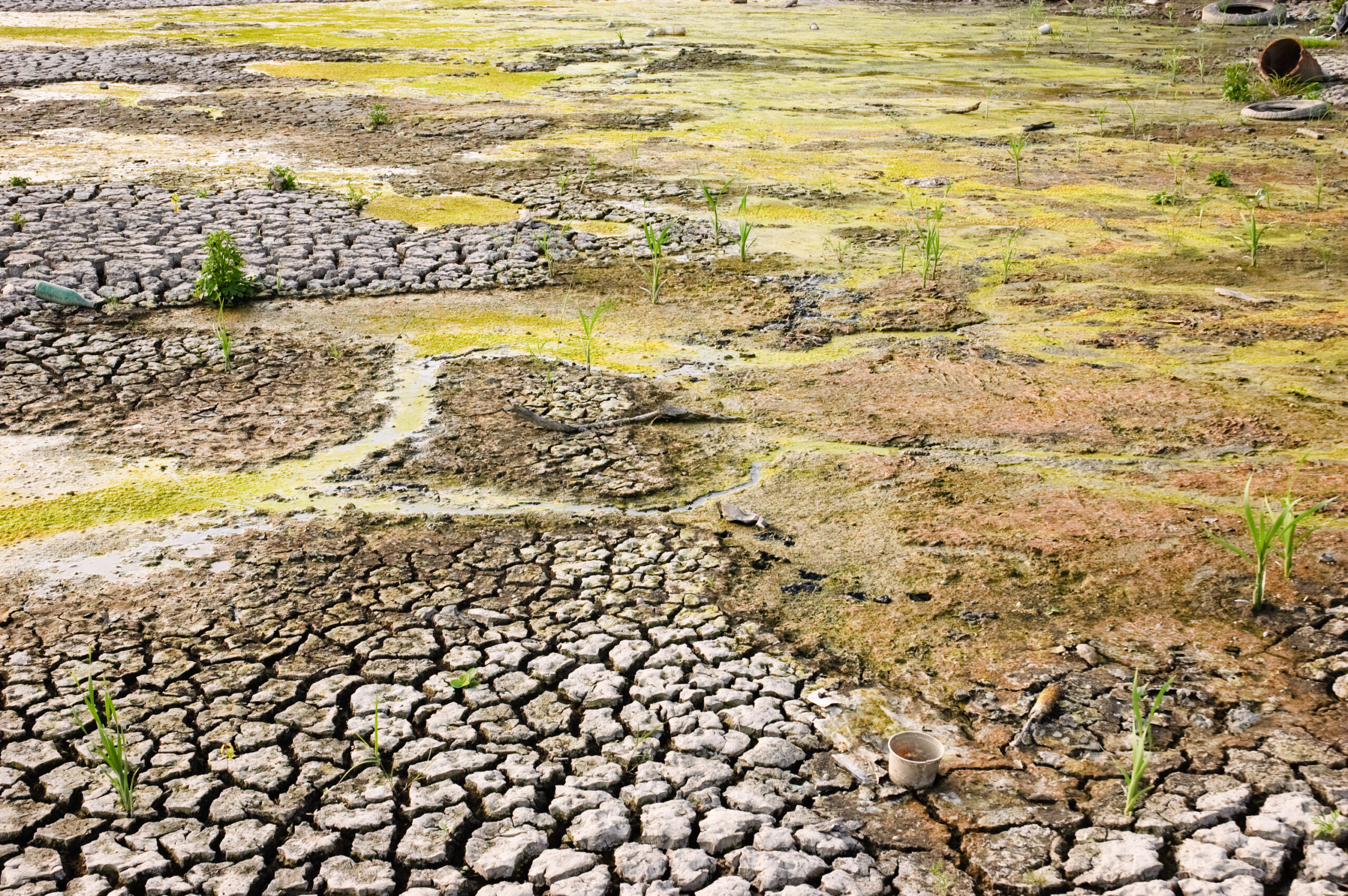
Day Zero is no longer a distant or hypothetical risk. It refers to the moment when a city or region’s water supply falls so low that tap water is shut off and people are relying on emergency distribution systems. Recent scientific assessments and global reporting indicate that multiple regions across the world are approaching this threshold far sooner than expected. Climate change, population growth, unsustainable groundwater extraction, pollution of surface water bodies, and fragmented water governance have together created a global water crisis that threatens economic stability, food security, biodiversity, and human dignity.
For the Dholakia Foundation, Day Zero is a warning. A warning that water systems cannot be managed in isolation from ecosystems, communities, and long-term ecological balance. This understanding is the basis on which Mission River was initiated.
The Global Water Crisis: A System Under Stress
Across continents, water scarcity is emerging as one of the defining challenges of this century. Cities such as Cape Town, Mexico City, São Paulo, and regions across Sub-Saharan Africa and the Middle East have already experienced or narrowly avoided Day Zero situations. These crises reveal a common pattern:
- Overdependence on groundwater without natural recharge
- Degraded rivers and wetlands unable to retain monsoon or seasonal rainfall
- Rapid urbanization and industrialization without corresponding water infrastructure
- Climate-induced variability in rainfall and rising temperatures
Globally, water scarcity now intersects with energy systems, food production, public health, migration, and geopolitical stability. What was once viewed as an environmental issue has become a systemic economic and social risk.
India at the Edge of Day Zero
India represents one of the most critical frontlines of the global water crisis. Despite receiving significant annual rainfall, mismanagement of water resources has resulted in acute scarcity.
Key realities include:
- A large share of India’s population lives under high to extreme water stress.
- Groundwater extraction in India is among the highest in the world.
- Nearly 70% of surface water sources are contaminated or polluted.
- Rapid urban expansion has disconnected cities from natural water systems.
Cities such as Chennai and Bengaluru have already experienced near-Day Zero scenarios, while rural India continues to struggle with recurring droughts, declining agricultural productivity, and seasonal migration driven by water insecurity.
National initiatives such as the Jal Jeevan Mission and Jal Shakti Abhiyan reflect growing policy recognition, but long-term water security requires restoration of natural hydrological systems not only distribution infrastructure.
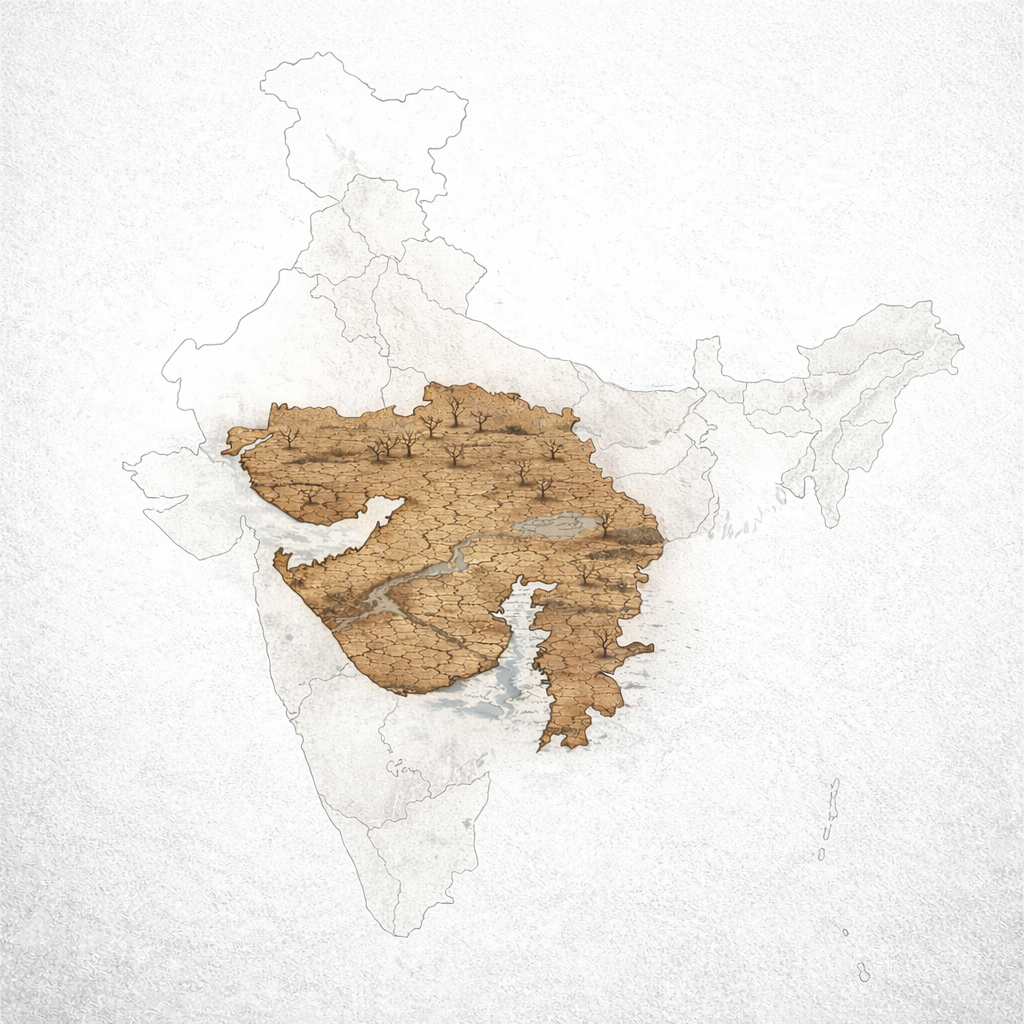
Gujarat: Living with Chronic Water Stress
Gujarat exemplifies the realities of semi-arid regions facing chronic water scarcity. Large parts of Saurashtra, Kutch, North Gujarat, and interior districts depend heavily on erratic monsoons and over-extracted groundwater.
Over decades, the degradation of rivers, siltation of water bodies, and loss of traditional water-harvesting systems have resulted in:
- Sharp declines in groundwater tables
- Increased salinity and soil degradation
- Reduced agricultural yields
- Dependence on water tankers for drinking water
For communities in Gujarat, water scarcity is not a future risk—it is a lived experience. Mission River emerged directly from this ground reality.
Mission River: Restoring Water Systems, Not Just Managing Scarcity
Mission River is the Dholakia Foundation’s flagship water initiative, rooted in the belief that water security can only be achieved by restoring rivers, wetlands, and watershed ecosystems.
Rather than treating water as a commodity to be transported or extracted, Mission River focuses on rebuilding nature’s ability to store, recharge, and distribute water.
Core Principles of Mission River:
- Rivers as living ecosystems, not drainage channels
- Groundwater recharge through natural percolation
- Community stewardship as the foundation of sustainability
- Science-backed, data-driven interventions
Through river rejuvenation, lake/farm ponds development, check dams, desilting, and riparian afforestation, Mission River addresses the root causes of Day Zero ecosystem collapse and hydrological imbalance.
Impact on People: Water as Dignity and Livelihood
The success of Mission River is measured both in litres of water conserved and lives transformed.
Community-Level Impact:
- Farmers experience improved crop yields and reduced dependence on bore wells.
- Women spend significantly less time fetching water, enabling education and economic participation.
- Villages achieve year-round water availability for domestic and agricultural use.
- Seasonal migration reduces as livelihoods stabilise.
By restoring local water systems, Mission River strengthens community resilience against climate shocks.
Environmental and Biodiversity Impact
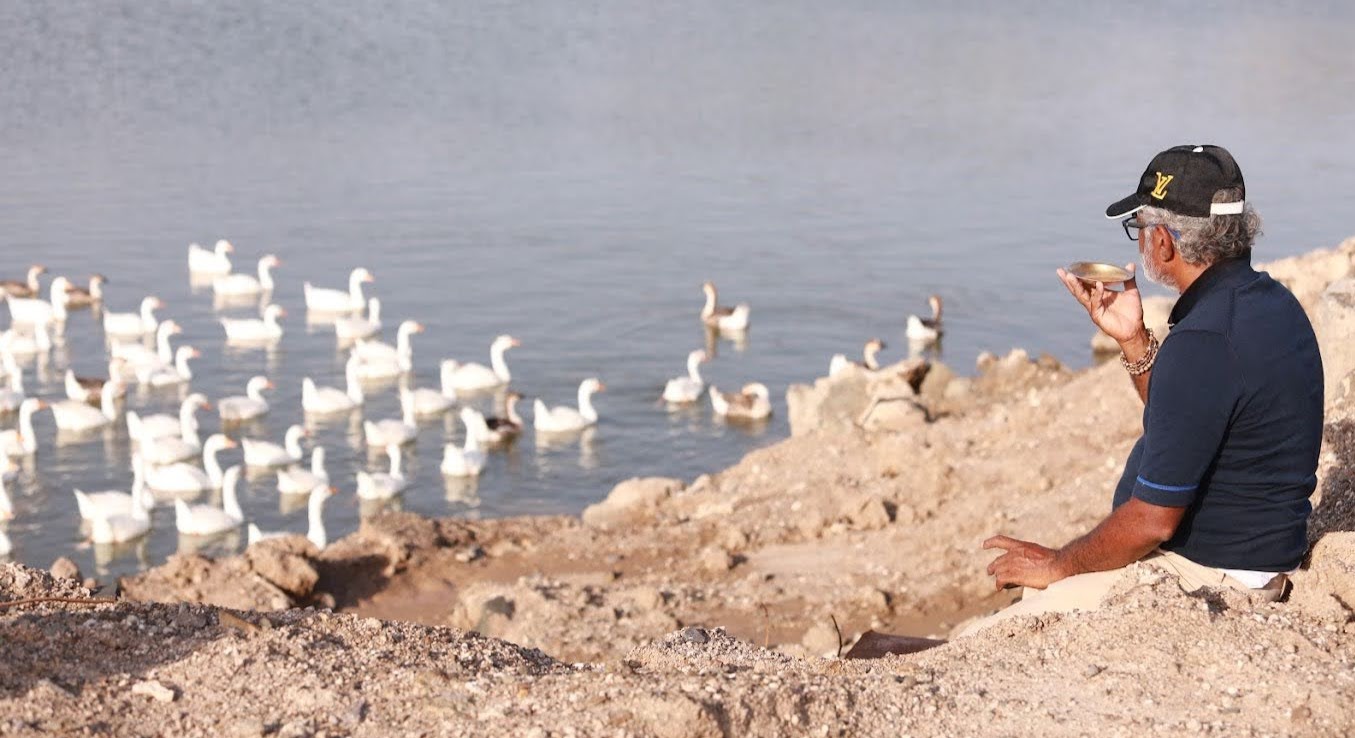
Healthy rivers are biodiversity corridors. Mission River interventions have led to:
- Revival of aquatic life and native fish species
- Return of migratory and resident birds
- Improved soil fertility and reduced erosion
- Creation of micro climates that support surrounding ecosystems
- Afforestation along riverbanks and water bodies further enhances carbon sequestration, soil stability, and habitat connectivity, reinforcing the role of nature-based solutions in climate adaptation.
Mission River as a Scalable Solution to Day Zero
Day Zero is a systems failure and Mission River is a systems response. The initiative demonstrates that:
- Water security is achievable through ecosystem restoration
- Community-led models are more resilient than centralised solutions
- Nature-based infrastructure delivers long-term, cost-effective outcomes
The Mission River model is designed to be scalable and replicable across drought-prone regions in India and beyond.
The Way Forward: Building a Water-Secure Future
Avoiding Day Zero requires collective action. Governments, communities, businesses, and civil society must work together to restore water ecosystems at scale.
The Dholakia Foundation remains committed to:
- Expanding river and water body rejuvenation
- Strengthening community ownership of water resources
- Integrating science, policy, and grassroots action
- Advocating for ecosystem-based water governance
A water-secure future is built by managing scarcity by restoring abundance through nature. Mission River stands as a living example that when rivers flow again, life returns with dignity, resilience, and hope.